Official access portal for the decentralized nexus market ecosystem. Establishing secure, cryptographically verified connections to the nexus darknet market infrastructure. We provide authenticated nexus onion links and comprehensive PGP verification protocols for maximum operational security.
rmnvwgxnat4m4o6whqvh6dy7fhnasxa6cndufyrztgahtxwdhgr7thid.onion
2048-bit RSA Signatures
Redundant Infrastructure
Zero Fee Vendor Entry
Walletless Architecture
CRYPTOGRAPHICALLY SIGNED • ROTATING PROXIES
VISUAL VALIDATION STANDARDS
FIG_1.0: CLOUDFLARE_BYPASS
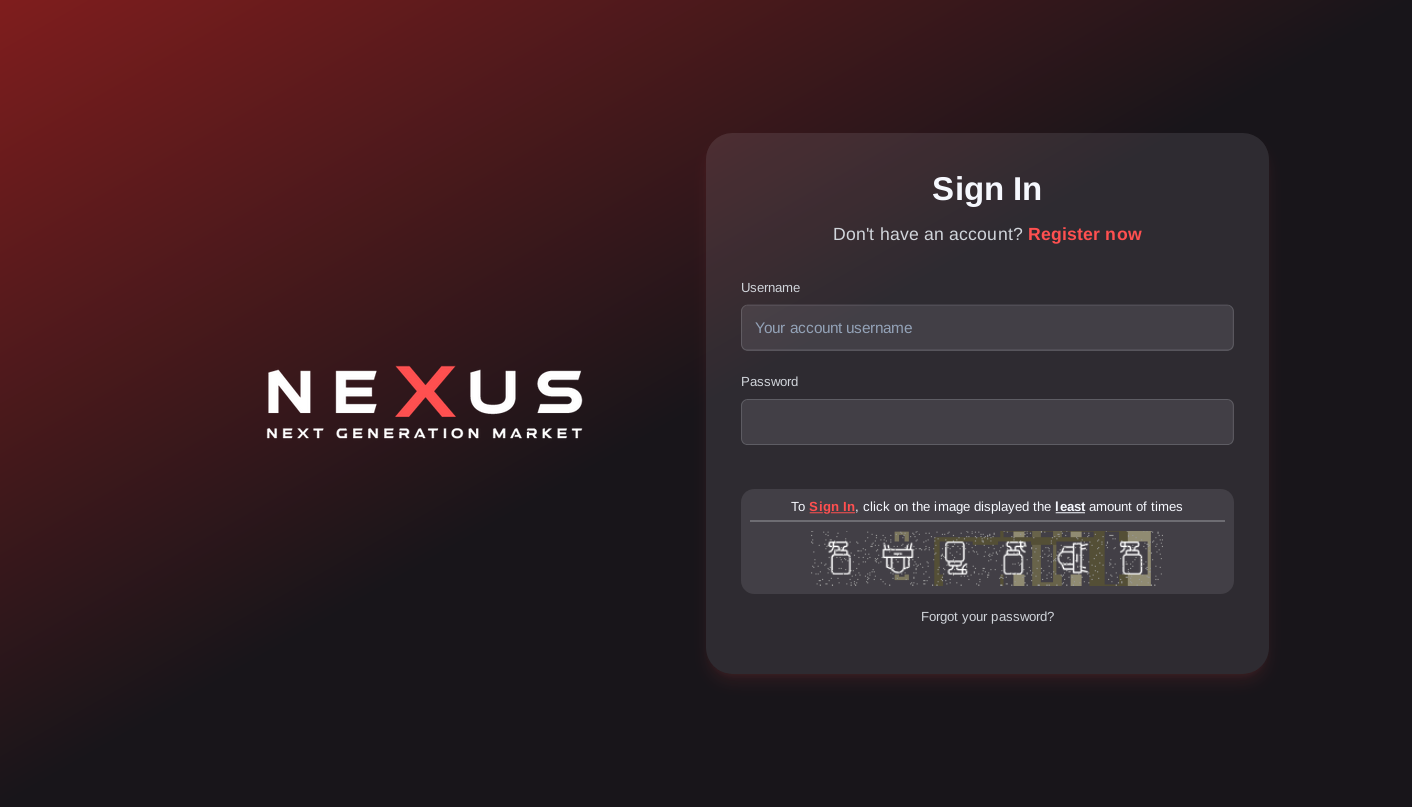
FIG_2.0: PGP_AUTH_GATE
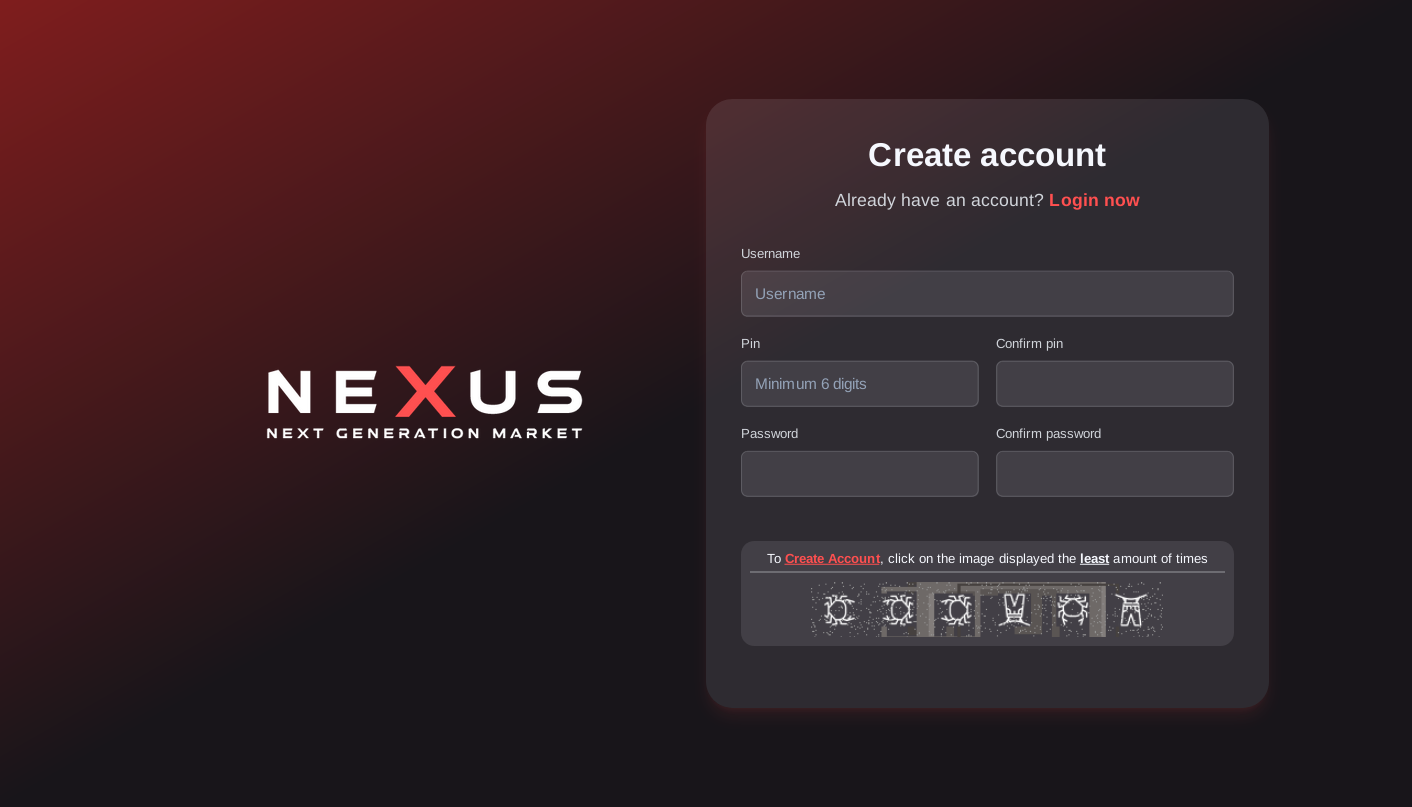
FIG_3.0: MNEMONIC_GENERATION
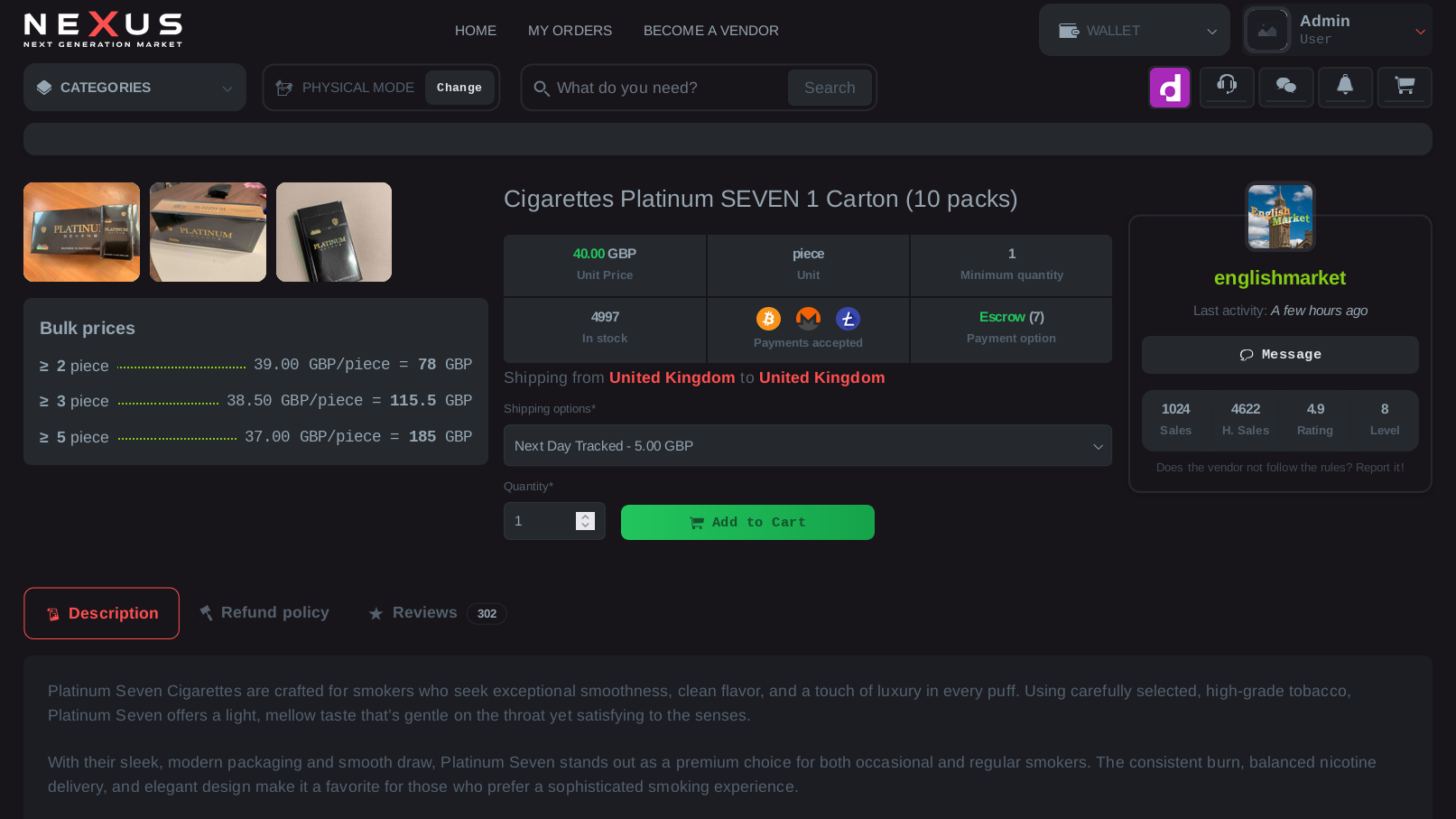
FIG_4.0: VENDOR_DASHBOARD
Nexus Market represents a paradigm shift in decentralized commerce, prioritizing robust security architecture over aesthetic superfluity. Launched in late 2023, the platform was engineered to address critical vulnerabilities found in previous generation markets. By eliminating the vendor bond requirement, Nexus creates a fluid, meritocratic ecosystem where vendor reputation is built solely on transaction integrity rather than financial barriers.
The underlying infrastructure utilizes a custom-built non-custodial wallet framework for specific transaction types, while maintaining a secure multisig vault for escrowed trades. This hybrid model significantly reduces the platform's hot wallet exposure, mitigating the risk of large-scale asset seizures or external breaches. Support for Monero (XMR) is native to the core code, not an add-on, ensuring ring signatures and stealth addresses function with maximum efficiency.
Vendor authentication is rigorously enforced through mandatory PGP 2FA protocols. The market interface is stripped of tracking scripts and utilizes localized captcha generation to prevent DDoS attacks without relying on third-party clearnet protection services that could compromise user anonymity.
The Nexus escrow system employs a time-locked release mechanism. Physical goods utilize a configurable 7-21 day hold, granting buyers sufficient time for delivery verification. Funds are sequestered in a multi-signature address derived from the market, vendor, and buyer keys. In the event of a dispute, a moderator holds the third key to adjudicate.
For digital commodities, the platform features an automated dispatch system. Upon payment confirmation (1-2 confirmations for BTC, 10 for XMR), data is released instantly. A specialized 72-hour dispute window remains open post-delivery to verify file integrity, protecting buyers against corrupted or invalid data.
Acquire the official Tor Browser binary solely from torproject.org. This specialized client routes traffic through encrypted nodes, an absolute prerequisite for resolving .onion TLDs within the darknet infrastructure.
Establish trust through cryptography. Import the Nexus Market public key and verify the signed message on the login page. This cryptographic handshake confirms you are connected to the authentic server infrastructure.
Configure Tor Browser security level to "Safer" or "Safest". This restricts JavaScript execution vectors that could compromise anonymity. Nexus is designed to function with minimal client-side scripting.
Copy the verified .onion string from the mirrors table. Paste directly into the address bar. Upon initial connection, immediately generate a unique mnemonic and enable 2FA to secure the session.
Sensitive data transmission (shipping details, tracking numbers) must be encrypted client-side using the recipient's public key. Never rely on server-side encryption alone. This ensures data remains opaque even in the event of server compromise.
Enable PGP 2FA immediately. The system challenges login attempts with a PGP-encrypted message that can only be decrypted with your private key. This renders stolen passwords useless to attackers.
Domain spoofing is prevalent. Always cross-reference the .onion address with signed mirrors from trusted repositories like Nexus Market Access. Bookmark your verified gateways and avoid clicking links from unverified forums.
Prioritize Monero (XMR) for its inherent privacy features. If utilizing transparent chains like BTC or LTC, ensure UTXO separation. Generate a fresh deposit address for every transaction to prevent blockchain analysis linkage.